• live event Info
  • Ce Approvals
  • Ce Process
  • Policies

Addiction as Regulation: How Sensory Load and Interoception Shape the Drive for Relief

CE Hours 1.5

About this live event

What happens when a client knows something is going on in their body but can't tell what it is? Or knows the state has to change and can't find any way to shift it except the one that always works? Interoception is more than noticing sensation. Sensory load, brain-gut sensory signaling, inflammatory processes, and how much physiological reserve a person has left all shape how internal cues are generated, how clearly they reach awareness, and how tolerable they feel. For some clients the signal is faint or out of reach. For others there is so much internal information that no one signal can be told apart from another. That is where addiction comes in. Jan Winhall works from the Felt Sense Polyvagal Model™, which reads addictive behavior as an adaptive attempt to change a difficult autonomic state rather than as sickness or a character problem. BG Mancini works a layer upstream, on the sensory and physiological conditions that make a state hard to be in at all. Neurodivergent clients sit right in that overlap, because sensory overwhelm and physiological reactivity raise the odds that a behavior which reliably produces relief becomes the tool a person reaches for. Across 90 minutes with moderator Jenn Turner, Jan and BG move between those two vantage points and ask what changes when the clinical question shifts from "how do we stop this behavior" to "what state is this behavior changing, and what is making that state so hard to be in?" The session also takes seriously what this asks of the clinician. Therapists are being asked to absorb a great deal of new information about neurodivergence, physiology, and the nervous system, and the panel will talk about how to take that in without losing the thing that matters most in the room, which is your own presence. Expect short somatic resets woven through the conversation, a longer guided practice with Jan, and concrete alternatives to open-ended prompts like "notice what you feel in your body." Designed for clinicians and allied helping professionals working with bodies under load. The evidence base for Polyvagal theory will be reviewed, discussing arguments for its use in clinical practice as well as criticisms from the research community.

Learning Objectives

  • Differentiate interoceptive signaling from conscious interoceptive awareness and identify how difficulty at either level may appear in a clinical presentation.
  • Identify at least three sensory or physiological factors that may affect the intensity, salience, or tolerability of internal cues, including sensory load, brain-gut sensory signaling, inflammatory processes, and depleted physiological reserve.
  • Explain how addictive and other repetitive behaviors may function as attempts to shift an aversive internal state and identify one implication of this framing for clinical assessment.
  • Select at least two trauma-informed clinical adjustments for clients whose access to body-based cues is limited, overwhelming, or inconsistent, including alternatives to open-ended prompts such as "notice what you feel in your body."
  • Analyze the criticisms of Polyvagal theory and evaluate its use in clinical practice.

Learning Levels

  • Beginner
  • Intermediate
  • Advanced

Target Audience

This webinar is designed primarily for social workers, counselors, marriage and family therapists, psychologists, and addiction professionals. It may also be relevant for occupational therapists, nurses, somatic and trauma practitioners, coaches, and educators working with neurodivergent individuals and others whose sensory or physiological load affects access to regulation.

Agenda

9:00–9:08
Welcome, clinical framing, and panelist introductions

9:08–9:24
Interoception: signal, processing, and conscious awareness

9:24–9:42
When body cues are faint, crowded, or difficult to access

9:42–9:58
Sensory load, gut–brain signaling, inflammation, and physiological reserve

9:58–10:08
Guided embodiment practice

10:08–10:20
Repetitive behavior as state regulation: implications for assessment

10:20–10:28
Audience Q&A

10:28–10:30
Clinical takeaways and closing reflections


Live event Instructor(s)

  • BG Mancini AP, MHSc

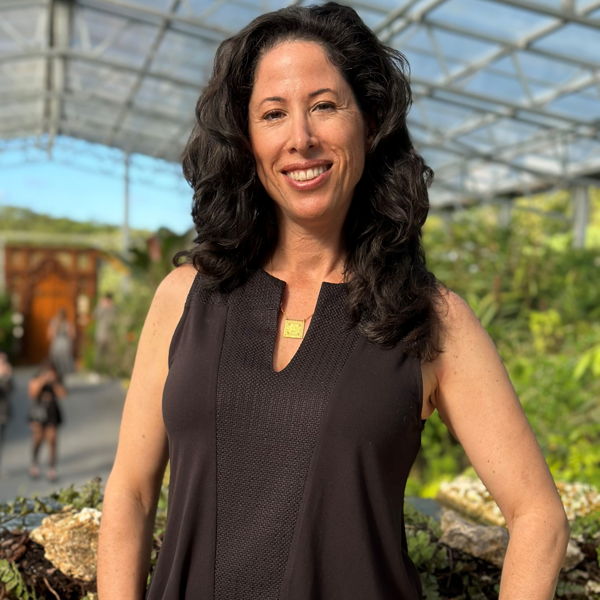
    BG Mancini, AP, MHSc, is an Advanced Certified Functional Medicine Clinician, Licensed Acupuncture Physician, and Neurodevelopmental Specialist with 30+ years of clinical experience. As founder of The Brain & Gut Institute, she has worked with thousands of patients and trained clinicians worldwide on how physiological states influence regulation, behavior, and healing. Her Brain–Gut–Sensory Axis Framework integrates neuroscience, the microbiome, sensory physiology, and autonomic function to optimize how we feel and interact with the world around us and within us. Her FID model consists of using the Frequency, Intensity and Duration Framework to help individuals and clinicians to understand how Inputs, Response, and Rewiring through MicroResetsTM support building Reserves , resilience and deepened capacity.

  • Jan Winhall, M.S.W., P.I.F.O.T.

    Jan Winhall is an author, educator, mindfulness teacher, and trauma and addiction psychotherapist. She trained with Eugene Gendlin in the Focusing Felt Sense tradition for over 30 years, and her work is grounded in mindfulness, embodied awareness, and the healing power of the Felt Sense—a gentle, body-based way of listening inward that supports nervous system regulation, emotional healing, and inner safety. Jan is the developer of the Felt Sense Polyvagal Model™ (FSPM), an integrative approach that combines Polyvagal Theory, Focusing, mindfulness, and somatic psychotherapy. She is an Educational Partner with the Polyvagal Institute and teaches internationally through the Felt Sense Polyvagal Model Institute. She is the author of Treating Trauma and Addiction with the Felt Sense Polyvagal Model and 20 Embodied Practices for Healing Trauma and Addiction, hosts the Embodied Dialogue Podcast, and serves as an Adjunct Lecturer at the University of Toronto.

  • Jenn Turner, LMHC

    Jenn Turner, LMHC, is a licensed mental health counselor, educator, yoga teacher, and Executive Director of the Center for Trauma and Embodiment (CFTE). With over 15 years of experience, she co-created Trauma Center Trauma-Sensitive Yoga (TCTSY) and edited Embodied Healing: Survivor and Facilitator Voices from the Practice of Trauma Sensitive Yoga. Jenn leads global training programs in trauma-informed care and hosts the podcast On Trauma and Power, where she explores the intersection of trauma, healing, and power. Her work is dedicated to supporting trauma survivors and fostering safer, more collaborative workplaces worldwide.

Disclosure

DISCLOSURE OF RELEVANT FINANCIAL RELATIONSHIPS CE Learning Systems adheres to the ACCME’s Standards for Integrity and Independence in Accredited Continuing Medical Education. Any individuals in a position to control the content of a CE activity ― including faculty, planners, reviewers, or others ― are required to disclose all relevant financial relationships with ineligible entities (formerly known as commercial interests). The following relevant financial relationships have been disclosed by this activity’s planners, faculty, and the reviewer: PLANNERS AND REVIEWER The planners of this activity have reported that they have no relevant financial relationships. FACULTY The faculty of this activity have reported that they have no relevant financial relationships.

CE Process Info

Before the event, you will receive an email from CE-Go with access to the virtual event. After the event, you will receive access to your evaluation and continuing education certificate via a personalized "attendee dashboard" link, hosted on the CE-Go website. This link and access to the virtual event will be sent to the email account you used to register for the event.

Upon accessing the CE-Go "attendee dashboard", you will be able to:

  • Complete evaluation forms for the event
  • Download your continuing education certificate in a PDF format

If you have any questions or concerns regarding the CE-Go platform, please contact CE-Go at 888-498-5578 or by email at support@ce-go.com Please Note: Emails for this event will come from "support@ceactivities.com".

If you have any continuing education related questions, please contact your event organizer.

Please make sure to check your spam/junk folder in case those emails get "stuck". We'd also suggest "Allowlisting" support@ceactivities.com. This tells your email client that you know this sender and trust them, which will keep emails from this contact at the top of your inbox and out of the junk folder.

  • Joint Accreditation (JA)

    In support of improving patient care, CE Learning Systems is jointly accredited by the Accreditation Council for Continuing Medical Education (ACCME), the Accreditation Council for Pharmacy Education (ACPE), and the American Nurses Credentialing Center (ANCC), to provide continuing education for the healthcare team.

  • American Psychological Association (APA)

    Continuing Education (CE) credits for psychologists are provided through the co-sponsorship of the American Psychological Association (APA) Office of Continuing Education in Psychology (CEP). The APA CEP office maintains responsibility for the content of the programs.

  • Association of Social Work Boards (ASWB)

    As a Jointly Accredited Organization, CE Learning Systems is approved to offer social work continuing education by the Association of Social Work Boards (ASWB) Approved Continuing Education (ACE) program. Organizations, not individual courses, are approved under this program. Regulatory boards are the final authority on courses accepted for continuing education credit. Social workers completing this course receive 1.5 clinical continuing education credits.

  • New York Education Department's State Board for Social Work (NYEDSW)

    CE Learning Systems, LLC  (d/b/a impactce.com) is recognized by the New York State Education Department's State Board for Social Work as an approved provider of continuing education for licensed social workers. #0060.

  • New York Education Department Board of Creative Arts Therapy (NYSEDCAT)

    CE Learning Systems, LLC  (d/b/a impactce.com) is recognized by the New York State Education Department's State Board of Creative Arts Therapy as an approved provider of continuing education for licensed creative arts therapists. #CAT-0008

  • New York Education Department for Licensed Mental Health Counselors (NYSEDLMHC)

    CE Learning Systems, LLC  (d/b/a impactce.com) is recognized by the New York State Education Department's State Board for Mental Health Practitioners as an approved provider of continuing education for licensed mental health counselors. #MHC-0072.

  • New York Education Department Board for Licensed Psychoanalysts (NYSEDLP)

    CE Learning Systems, LLC  (d/b/a impactce.com) is recognized by the New York State Education Department's State Board for Psychoanalysts as an approved provider of continuing education for licensed psychoanalysts. #P-0031.

  • New York State Education Department's State Board for Psychology (NYEDPSY)

    CE Learning Systems, LLC  (d/b/a impactce.com) is recognized by the New York State Education Department's State Board for Psychology as an approved provider of continuing education for licensed psychologists. #PSY-0016.

  • New York Education Department's State Board for Marriage and Family Therapy (NYEDMFT)

    CE Learning Systems, LLC  (d/b/a impactce.com) is recognized by the New York State Education Department's State Board for Marriage and Family Therapy as an approved provider of continuing education for licensed marriage and family therapists. #MFT-0045.

Where can I find my Attendee Dashboard link?

Upon registering, you should receive an email from support@ceactivities.com with a link to access your Attendee Dashboard. If you do not see it in your inbox, please check your spam/junk folder. If you still cannot locate the email, you may retrieve your Attendee Dashboard link by clicking HERE

.

Technology

1. This virtual event will be hosted via Zoom Webinar, and you may be prompted to download or upgrade your Zoom app if using a mobile device. A strong WiFi connection will be required for best quality.


2. We recommend clicking your "Join Webinar" button early and checking that your speakers are on before the event begins. Please do not worry about being seen or heard! Attendee video feeds and mics are turned off by default when entering a webinar. You will be able to ask questions via the Q&A feature.


3. Please respect that no copying, recording, or distribution of live session content is allowed. CE's are provided for the "live" sessions only. CE's will not be available for the recordings.

Disability Accommodation

We are committed to providing ADA accommodations in compliance with the law. To ensure your needs are met, please inform us of any requirements when you register, ideally at least 30 days before the event. You can do so by emailing support@ce-go.com or calling 888-498-5578.

CELS Grievance Policy

If a grievance arises pertaining to continuing education activities or processes, please contact Tyler Gibson via confidential email to tyler@celearningsystems.com as soon as possible, so that the nature of the concern may be addressed in a timely fashion.
Addiction as Regulation:  How Sensory Load and Interoception Shape the Drive for Relief
You Have Completed This course
Free
You are enrolled
  • CE Hours
    1.5
  • Type
    Live Interactive Webinar
  • Date
    Tue Oct 6th, 2026
  • Time
    09:30am - 11:00am EDT

Reset password


Reset your password by providing your email below


Next

We sent a reset password link to the email address you provided.


{{reset.email}}


If you do not see the email, try checking your junk or spam folder.


If you don't receive a link in the email you provided, please click the button below to resend the verification email.

Resend

Please wait {{timer}} seconds to resend


Next

Sign in


Enter your email to get started.


Next

Sign in


Good news! Your email is associated with an account. Enter your password or click here to reset it


Login

Thanks for signing up!


We sent an verification email to the address you provided. Please check your email to verify your email address.


{{signup.email}}


If you do not see the email, try checking your junk or spam folder.


If you don't receive a link in the email you provided, please click the button below to resend the verification email.


Resend

Please wait {{timer}} seconds to resend

Sign up


Sign up

Shopping Cart


Items
Price
Remove
  • {{ item.name }} ({{ item.courses.length }} courses)

    {{ item.credit_hours }} Credits
    {{ item.coupons.map((c)=> c.code).join(', ') }} Membership discount (-${{ item.membership_discount.amount }})
    ${{ item.totals.price }}
    ${{ item.totals.total_price }}
Apply


Cart is empty

Thank you for your purchase


To access the course content, click the button below. Enrolled courses may be accessed at any time by going to your Account and clicking Courses


Go to Course

Thank you for your purchase

To access your courses, please click the button below. Enrolled courses may be accessed at any time by going to your Account and clicking either Events or Courses


My Account

Payment

{{$store.state.payment.paymentErrorMessage }}
Pay now